Preventing Deck Rot Before It Starts
Prevent deck rot, warping, and splinters with these maintenance strategies.ith consistent deck maintenance, rot is one of the easiest issues to prevent--if you know what to watch for and act early.
Early Warning Signs of Deck Rot You Should Never Ignore
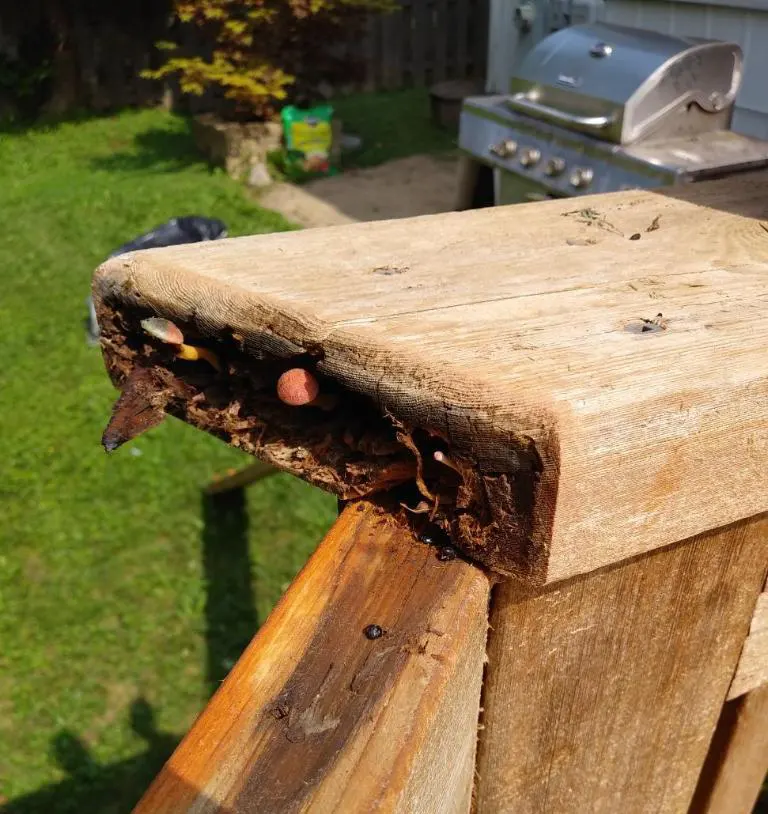
Rot rarely announces itself in obvious ways right away. It usually starts small, in places that don't get much attention. Soft or spongy spots underfoot are one of the clearest red flags, especially around stairs, railings, and areas where water tends to sit. Discoloration, dark stains, or wood that looks swollen can also signal trapped moisture. Even a musty smell near the deck can hint that rot is forming below the surface.
These signs matter because once rot spreads, it doesn't just affect the look of your deck--it weakens its structure. Boards and support posts that lose their strength can become unsafe, and that's often when homeowners begin searching for deck repair near me after a simple fix has turned into a bigger issue. Catching rot early keeps repairs smaller, more affordable, and far less stressful.
How to Protect Your Deck from Moisture Damage
Moisture is the main driver of rot, which means the goal of good deck maintenance is keeping water from lingering where it shouldn't. Proper drainage plays a huge role here. Water should never pool on the deck surface or underneath it. Making sure the ground beneath your deck allows for runoff and airflow can significantly reduce moisture buildup.
Sealing and staining are just as important. A quality sealant acts as a barrier, preventing water from soaking into the wood while still allowing it to breathe. Over time, that protective layer wears down, which is why reapplying it on a regular schedule matters. Skipping this step for too long is one of the most common reasons decks start to rot prematurely.
Some moisture-related issues can be handled with routine care, but others require a trained eye. If you notice damage spreading or suspect structural areas are affected, professional deck repair services can assess the problem before it gets worse. This is especially true in areas with harsh weather conditions, where deck repair Chicago homeowners often deal with moisture damage caused by snow, ice, and seasonal temperature swings.
Staying ahead of rot doesn't require constant effort--it just requires consistency. When deck maintenance becomes part of your regular home care routine, rot loses its chance to take hold, and your deck stays strong, safe, and ready to enjoy for years to come.
How to Stop Deck Boards from Warping and Cracking

Warped or cracked deck boards can make an otherwise nice-looking deck feel uneven and uncomfortable. They're also a sign that the wood is under stress, often from weather exposure or inconsistent care. While some movement in wood is natural, excessive warping is usually preventable with the right deck maintenance habits in place.
Why Deck Boards Warp Over Time
Wood naturally expands and contracts as temperatures and moisture levels change. When boards are exposed to repeated cycles of soaking up moisture and then drying out too quickly, they begin to twist, cup, or crack. This is especially common on decks that get full sun during the day and cool off rapidly at night.
Poor installation can make the problem worse. Boards that were installed too tightly don't have room to expand, which increases pressure and leads to warping. Low-quality materials or boards that weren't properly sealed from the start are also more likely to bend out of shape. Over time, what starts as a slight curve can turn into a tripping hazard and an eyesore that affects the entire deck surface.
Smart Maintenance Habits That Keep Boards Straight
The best way to keep deck boards flat and secure is by staying consistent with deck maintenance. Regular inspections help you catch early signs of movement, like raised edges or fasteners that are starting to pop out. Tightening loose screws and replacing damaged fasteners may seem minor, but these small fixes help keep boards anchored and aligned.
Sealing your deck properly also plays a major role in preventing warping. A good sealant slows down how quickly wood absorbs and releases moisture, which reduces stress on the boards. Choosing the right product for your deck material and climate makes a noticeable difference over time.
When boards are already severely warped or cracked, sanding and sealing may not be enough. At that point, replacing affected sections is often the safest option. This is where professional deck repair services come in, especially if the damage is widespread or tied to structural issues. Many homeowners only start looking for deck repair near me after warping has already compromised the deck's safety.
In climates with extreme seasonal changes, like those that lead to frequent deck repair Chicago projects, staying proactive is key. Addressing minor warping early helps you avoid full board replacements later and keeps your deck comfortable, stable, and safe for everyday use.
Eliminating Splinters and Making Your Deck Safe Again
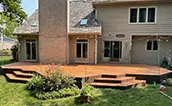
Few things ruin the enjoyment of a deck faster than splinters. What should be a comfortable space for bare feet and outdoor gatherings can quickly turn into something people avoid. Splinters are more than just a surface-level problem, though. They're often a sign that the wood is breaking down and needs attention. With the right deck maintenance approach, you can restore both safety and comfort before the damage gets worse.
What Causes Splinters and Why They're a Bigger Deal Than You Think
Splinters usually appear as wood ages and dries out. Sun exposure breaks down the surface fibers, while moisture causes the wood to swell and contract repeatedly. Over time, those stressed fibers lift and separate, creating rough, sharp edges. High-traffic areas like stairs, walkways, and railings tend to splinter first because they see the most wear.
While splinters may seem like a minor annoyance, they often point to deeper issues. If the surface is deteriorating, there's a good chance the protective seal has worn off or moisture is starting to penetrate the wood. Ignoring splinters can allow rot or structural damage to develop, which is why they're often an early sign that more serious deck repair may be needed.
How to Restore a Smooth, Barefoot-Friendly Deck Surface
The first step in dealing with splinters is smoothing out the affected areas. Light sanding can remove raised fibers and improve the deck's overall feel, especially if the damage is caught early. Once the surface is smooth, applying a fresh coat of sealant helps protect the wood and prevent splinters from coming back.
In cases where boards are badly damaged, replacing them may be the safest option. Cracked or deeply splintered boards can't always be fixed with sanding alone, and leaving them in place can create ongoing safety risks. This is often when homeowners begin looking into deck repair services to handle repairs properly and ensure the deck remains structurally sound.
If splintering is widespread or keeps returning despite regular upkeep, it may be time to bring in a professional. Searching for deck repair near me can help you find local experts who can assess whether resurfacing, board replacement, or deeper repairs are needed. In areas with heavy weather exposure, deck repair Chicago specialists often see splintering caused by long winters and intense summer sun.
Keeping your deck smooth and safe doesn't require constant work, but it does require attention. With consistent deck maintenance and timely repairs, you can enjoy a deck that's comfortable underfoot and welcoming for everyone who uses it.
A Seasonal Deck Maintenance Checklist That Actually Works
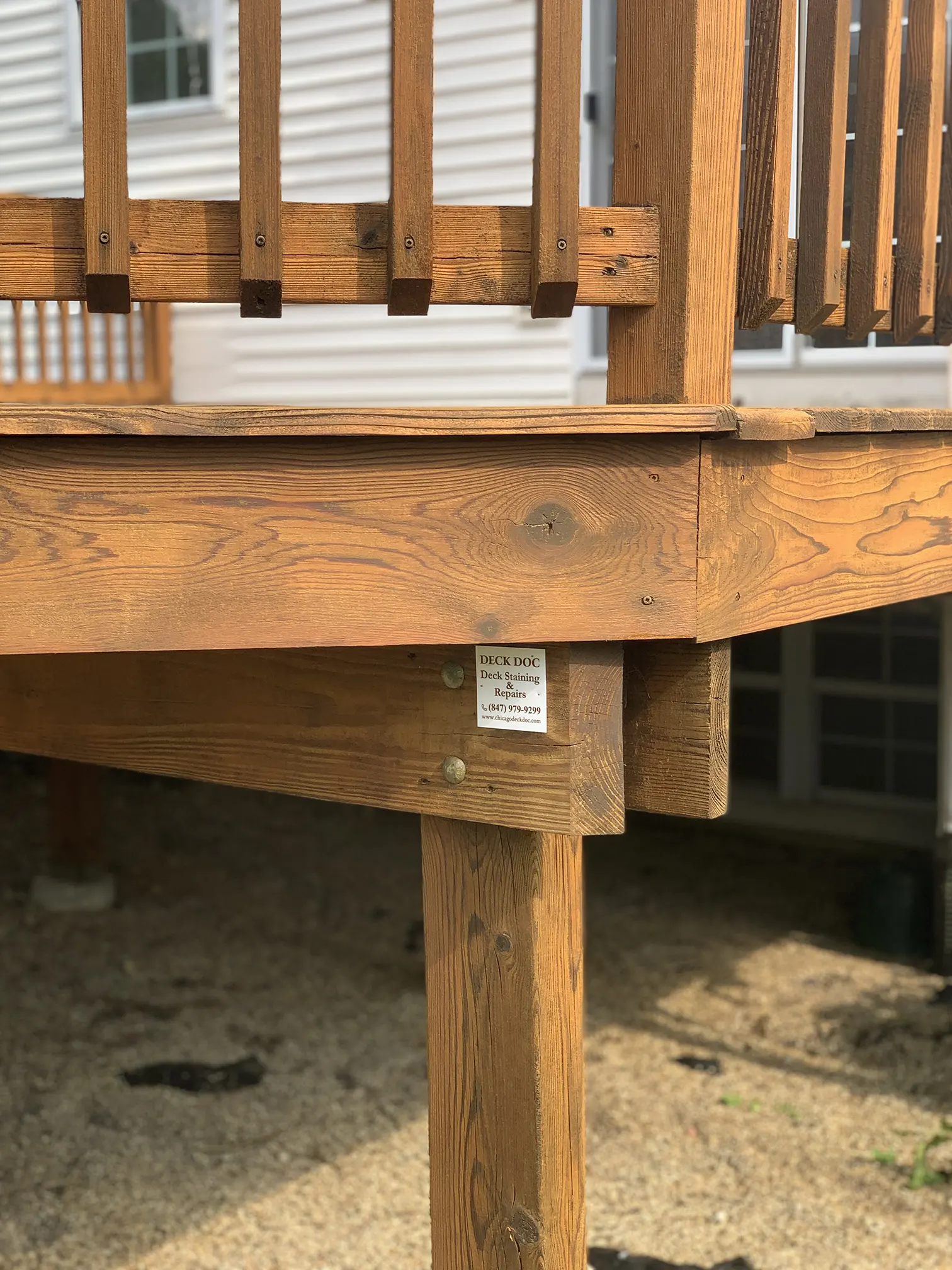
One of the easiest ways to keep your deck in great shape is to stop thinking of deck maintenance as a one-time project and start treating it as a seasonal routine. Different times of the year bring different challenges, and adjusting your care based on the season helps prevent small issues from turning into major repairs.
Spring and Summer Deck Maintenance Essentials
Spring is the perfect time to give your deck a fresh start. After months of colder weather, debris, moisture, and dirt often build up on the surface and in hard-to-see areas. A thorough cleaning helps reveal early signs of damage, like loose boards, raised nails, or fading sealant. Catching these issues now makes them much easier to fix before heavy use begins.
As summer rolls in, your deck sees more foot traffic, more sun, and more exposure to the elements. This is when deck maintenance really pays off. Checking for splinters, tightening fasteners, and making sure the protective finish is still doing its job helps your deck stay comfortable and safe throughout the season. When maintenance is skipped, this is often when homeowners start noticing problems that eventually require deck repair services.
Fall and Winter Prep to Prevent Costly Damage
Fall is all about preparation. Leaves, dirt, and debris can trap moisture against the deck surface, creating the perfect conditions for rot. Keeping the deck clear and making sure water can drain properly helps protect the wood before winter arrives. This is also a smart time to reseal the deck if the existing finish is wearing thin.
Winter can be especially tough on decks, particularly in areas with freezing temperatures and snow. Moisture that seeps into unprotected wood can expand as it freezes, leading to cracks, warping, and structural damage. This is why deck repair Chicago professionals often see an increase in repair calls once winter ends. A little preparation in the fall can significantly reduce the need for major fixes later.
By adjusting your deck maintenance routine throughout the year, you give your deck the protection it needs no matter the season. Staying proactive means fewer surprises, fewer emergency searches for deck repair near me, and a deck that stays strong and inviting year after year.
Also Read: The Complete Guide to Deck Cleaning: How to Keep Your Outdoor Space Looking New
Protect Your Deck Today and Enjoy It for Years to Come
A well-maintained deck doesn't happen by accident. It's the result of paying attention to small changes, staying consistent with care, and knowing when to step in before problems grow. Throughout this guide, we've covered how moisture leads to rot, why boards warp and crack, how splinters signal deeper issues, and how seasonal upkeep keeps everything under control. Each of these problems is easier--and far less expensive--to prevent than to fix later.
If you're unsure about your deck's condition or notice signs that go beyond surface wear, getting a professional opinion can make all the difference. Trusted deck repair services can help identify hidden issues and recommend the right solution before they turn into major projects. For homeowners facing tough weather conditions, deck repair Chicago specialists understand exactly how local climate impacts long-term deck health.
The next step is simple: take a closer look at your deck today. Whether that means scheduling an inspection, refreshing the finish, or learning more about professional care options, a little attention now can save you time, money, and stress later--and help you enjoy your deck with confidence for years to come.