Why Your Fence Needs Restoration
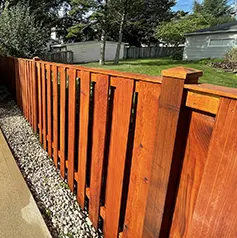 Your wood fence is more than just a boundary--it's an important part of your home's character. But over time, exposure to sun, rain, and temperature changes can leave it looking far from its best. Fences that once stood tall and vibrant can start to fade, crack, or even rot. If you're noticing signs of wear, now is the perfect time to consider wood restoration services to breathe new life into your fence. So, how do you know when it's time to restore your wood fence? Let's look at the signs.
Signs It's Time for Wood Fence Restoration
Your wood fence is more than just a boundary--it's an important part of your home's character. But over time, exposure to sun, rain, and temperature changes can leave it looking far from its best. Fences that once stood tall and vibrant can start to fade, crack, or even rot. If you're noticing signs of wear, now is the perfect time to consider wood restoration services to breathe new life into your fence. So, how do you know when it's time to restore your wood fence? Let's look at the signs.
Signs It's Time for Wood Fence Restoration
- Fading and Discoloration Is your fence looking dull or washed out? Sun exposure is often to blame. Over time, UV rays can strip away the natural color of wood, leaving it lifeless and gray. A restored finish can bring back that warm, rich tone and make your fence a standout feature again.
- Cracks, Splinters, or Warped Boards Cracks and splinters are more than just unsightly--they're a sign that your wood is drying out or succumbing to the elements. Warped boards can also weaken your fence's structure. Ignoring these issues can lead to bigger problems down the road, including costly repairs or even full replacement.
- Mold, Mildew, or Rot If you've spotted dark spots, green patches, or areas that feel soft to the touch, it's time to act. Mold and mildew not only look bad but can also damage the wood's integrity. Rot, especially at the base of the fence, can spread quickly if not treated.
- Peeling or Flaking Paint/Stain A peeling finish doesn't just look messy; it also exposes the wood to moisture, which accelerates damage. Restoring the finish protects the wood and gives your fence a clean, polished look.
- Loose or Wobbly Sections If parts of your fence are leaning or feel unstable, it's a sign the structure needs attention. Restoration often includes replacing or reinforcing loose posts, ensuring your fence stays sturdy for years to come.
The Step-by-Step Process for a Flawless Finish
 Restoring a wood fence may sound like a big job, but when you break it into manageable steps, it becomes a rewarding and straightforward process. Whether you're taking the DIY route or working alongside professionals, understanding these key steps will help you achieve a stunning, long-lasting result. If you're unsure where to begin or want a professional touch, wood restoration services can help guide you every step of the way.
Step 1: Clean Your Fence Thoroughly
A clean surface is the foundation of any successful restoration project. Dirt, grime, and mildew can build up over time, and if not removed, they can interfere with your stain or sealant.
Restoring a wood fence may sound like a big job, but when you break it into manageable steps, it becomes a rewarding and straightforward process. Whether you're taking the DIY route or working alongside professionals, understanding these key steps will help you achieve a stunning, long-lasting result. If you're unsure where to begin or want a professional touch, wood restoration services can help guide you every step of the way.
Step 1: Clean Your Fence Thoroughly
A clean surface is the foundation of any successful restoration project. Dirt, grime, and mildew can build up over time, and if not removed, they can interfere with your stain or sealant.
- How to Clean: Use a power washer for a deep clean. The pressure will strip away dirt, old paint, and mildew. Just be careful not to hold it too close to the wood, as high pressure can damage the surface.
- Eco-Friendly Cleaning Solutions: For stubborn stains, use a biodegradable wood cleaner that's tough on grime but gentle on the environment.
- Drying Time: After cleaning, let the fence dry completely--this usually takes 24-48 hours, depending on the weather.
- Inspect for Damage: Look for cracked, warped, or rotting boards. Replace any that are beyond repair.
- Fix Loose Components: Tighten screws or nails to ensure all sections are secure. If posts are wobbly, they might need reinforcing with concrete.
- Fill Cracks: Use an outdoor wood filler to patch small cracks and holes. This will not only improve the appearance but also protect the wood from further damage.
- Sand the Surface: Sanding smooths rough spots and removes any splinters, ensuring a clean, even surface for staining or painting.
- Stain vs. Paint:
- Stain: Enhances the natural grain of the wood and provides excellent UV protection. Stains come in a variety of colors, from transparent to rich, opaque finishes.
- Paint: Offers a more uniform look and better coverage if your fence has imperfections. It's ideal for a bold, modern aesthetic.
- Oil-Based vs. Water-Based Stains:
- Oil-Based: Provides deep penetration and long-lasting protection but takes longer to dry.
- Water-Based: Eco-friendly, dries quickly, and is easy to clean up, making it perfect for DIY projects.
- Application Tips: Use a brush or sprayer to ensure even coverage. Apply in long, smooth strokes, working with the grain of the wood.
- Why Seal? Sealing protects your wood from moisture, UV rays, and fluctuating temperatures, all of which can lead to warping or rotting over time.
- Types of Sealants: Look for a weather-resistant sealant that suits your climate. Clear sealants are great for preserving the natural look of stained wood, while tinted sealants add an extra layer of color.
- How to Apply: After the stain or paint has fully dried, use a brush or sprayer to evenly coat the fence with sealant. Pay extra attention to the base of the fence, where moisture is most likely to accumulate.
The Benefits of Hiring Professionals
 Restoring a wood fence yourself can be rewarding, but professionals offer expertise and efficiency that ensure the best results. With years of experience, they can accurately assess your fence's condition, use premium tools and materials, and deliver a flawless finish that lasts longer than most DIY efforts.
Hiring wood restoration services saves you time and hassle. Professionals handle every step, from deep cleaning to repairs and sealing, so you don't have to spend your weekends doing it yourself. Plus, their tailored solutions protect against costly mistakes, giving you a polished fence that enhances curb appeal and property value.
While it might seem like a bigger upfront cost, professional restoration is cost-effective in the long run, ensuring your fence stays beautiful and durable for years to come. With their help, you can enjoy a stunning fence without the guesswork or heavy lifting. Sometimes, it's just better to leave it to the pros.
Also read: 5 Signs Your Deck Needs Professional Care
Restoring a wood fence yourself can be rewarding, but professionals offer expertise and efficiency that ensure the best results. With years of experience, they can accurately assess your fence's condition, use premium tools and materials, and deliver a flawless finish that lasts longer than most DIY efforts.
Hiring wood restoration services saves you time and hassle. Professionals handle every step, from deep cleaning to repairs and sealing, so you don't have to spend your weekends doing it yourself. Plus, their tailored solutions protect against costly mistakes, giving you a polished fence that enhances curb appeal and property value.
While it might seem like a bigger upfront cost, professional restoration is cost-effective in the long run, ensuring your fence stays beautiful and durable for years to come. With their help, you can enjoy a stunning fence without the guesswork or heavy lifting. Sometimes, it's just better to leave it to the pros.
Also read: 5 Signs Your Deck Needs Professional Care
Maintaining Your Restored Fence
Restoring your wood fence is just the beginning. To keep it looking fresh and standing strong for years, regular maintenance is key. Whether you've taken on the task yourself or used professional wood restoration services, following these simple steps can protect your investment and save you from costly repairs down the road.
Keep It Clean
Dirt, debris, and mildew can build up over time, dulling your fence's appearance and damaging the wood. Regular cleaning--at least once or twice a year--will keep your fence in top shape. Use a gentle pressure washer or a soft-bristle brush with a mild soap solution to remove grime without harming the finish. For areas prone to mold or algae, consider a diluted vinegar solution for an eco-friendly clean.
Inspect for Damage
Regular inspections are essential for catching minor issues before they become major problems. After storms or harsh weather, check your fence for loose boards, cracks, or signs of rot. Pay special attention to the base of the fence, where moisture tends to accumulate. Quick repairs can prevent bigger, more expensive fixes later.
Reapply Stain or Sealant as Needed
The stain or sealant applied during restoration is your fence's first line of defense against the elements. Over time, even the best finishes wear down. Reapply stain or sealant every 2-3 years--or sooner if you notice fading or water no longer beads on the surface. Regular touch-ups keep your fence protected and looking polished.
Protect from Landscaping and Moisture
Plants growing too close to your fence can trap moisture and lead to rot. Trim back shrubs, vines, and tall grass to allow airflow around the wood. Similarly, avoid leaning sprinklers directly against your fence to minimize water damage. A little preventive care goes a long way in preserving your fence.
Plan for Seasonal Care
Different seasons bring different challenges. In winter, clear snow and ice buildup to prevent moisture damage. In summer, protect against harsh UV rays by keeping the stain and sealant intact. A seasonal maintenance routine ensures your fence stays strong no matter the weather.
The Value of Professional Maintenance
If regular upkeep feels overwhelming or you want to ensure the best care, many wood restoration services offer ongoing maintenance plans. These professionals can handle inspections, cleaning, and touch-ups, so your fence stays beautiful and worry-free year-round.
A well-maintained fence is not only a visual asset but also a durable one. By staying proactive with cleaning, inspections, and occasional touch-ups, you'll enjoy the results of your restoration for many years to come. After all, a little care goes a long way in preserving the charm and functionality of your wood fence.