Deck staining mistakes can cost you time and money. Prep right, stain right, and protect your investment. In this guide, we cover the most common errors homeowners make when staining their decks. You'll learn why they happen, how to avoid them, and what products work best. The goal is simple: help you get a finish that lasts through rain, snow, and sun.
Key Takeaways for Avoiding Deck Staining Mistakes
- Proper surface cleaning is essential for effective deck staining and long-lasting results
- Neglecting wood preparation steps can compromise stain adhesion and durability
- Weather conditions significantly impact the quality of deck staining applications
- Choosing the right stain based on wood type and environment enhances overall performance
- Following manufacturer instructions is crucial for achieving optimal adhesion and preventing future issues
Identify Frequent Errors in Deck Staining
Most deck staining problems come from a few common mistakes. Skipping the cleaning step leaves dust and moisture on the surface, which blocks the stain from sticking. Poor prep work and bad timing also hurt results. Hiring a deck staining service can help you avoid these pitfalls. Using the wrong stain type or ignoring label directions are other big mistakes. Let's look at each one.
Failing to Clean the Surface Properly
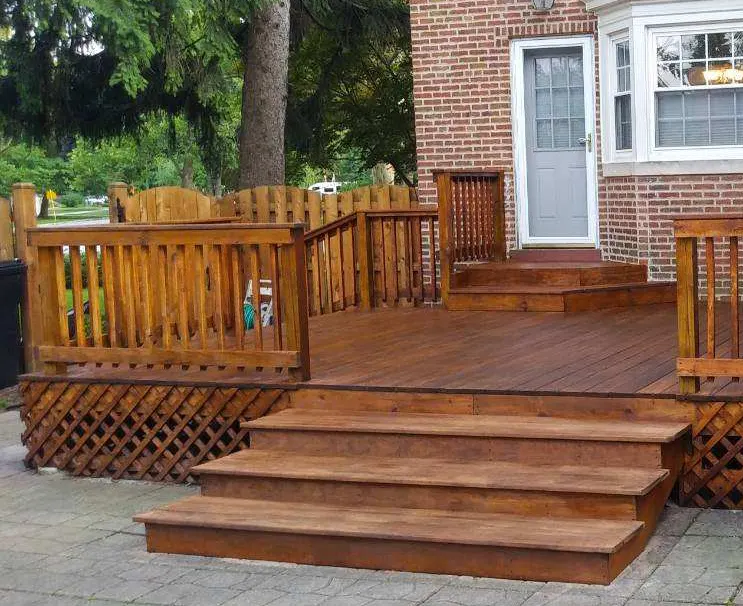
Cleaning is the first step to a good stain job. Dirt, dust, and moisture block the stain from bonding to the wood. Skip this step and you'll likely see mildew, peeling, and fading much sooner than expected. A clean surface leads to better adhesion, a smoother finish, and longer-lasting results.
Skipping the Wood Preparation Steps
Skipping prep work is a recipe for a bad stain job. Before you apply any finish, sand rough spots smooth. This helps the stain grip the wood better. You should also think about your local climate. Hot, humid, or rainy weather can wear down a finish faster if the wood isn't prepped properly.
Neglecting Weather Considerations
Weather plays a big role in how well your stain holds up. If you apply stain when it's too humid or too hot, it won't stick properly. This leads to early peeling and fading. Always check the forecast before you start. Aim for mild, dry days for the best results.
Choosing the Wrong Type of Stain

Using the wrong stain can cause big problems. Oil-based and water-based stains each work best in different conditions. Pick the one that fits your climate and wood type. The right choice means fewer touch-ups and better protection from the elements.
Ignoring Manufacturer Instructions
Every stain product comes with a set of instructions for a reason. They tell you how to prep, apply, and dry the stain for the best results. Ignoring these steps often leads to peeling, fading, or weak adhesion. Always read the label before you start.
- Prepare the surface adequately for better results.
- Consult labels for the right application techniques.
- Account for underlying materials, such as drywall or roofing, that may affect the deck.
- Choose water-based stains for moisture-heavy areas.
- Apply stains only when weather conditions permit.
Frequent mistakes in deck staining can lead to problems that grow unseen. Understanding these consequences is crucial for protecting your outdoor space.
Understand the Consequences of Poor Deck Staining
Good deck staining keeps your outdoor space looking great and lasting longer. A bad stain job can shorten your deck's life, raise repair costs, and make the wood look worn. It can also create safety risks. Here's what can go wrong.
Shortened Lifespan of the Deck
A poorly stained deck wears out faster. Humidity speeds up damage, causing warping and splintering. Using the right products and applying them correctly helps your deck last much longer.
Increased Maintenance Costs
Bad staining leads to higher repair bills. You may end up replacing boards that peel, warp, or grow mold. Doing the job right the first time saves you money and effort down the road.
Deterioration of Wood Quality
Without proper staining, wood loses its defense against moisture and UV rays. Over time, it can warp, splinter, or grow mold. Following the right steps and using quality products keeps your deck safe and strong:
- Use high-quality stains and sealants to protect wood from environmental damage.
- Regularly inspect the deck for signs of wear and take action promptly.
- Implement a routine maintenance schedule to extend the lifespan of the deck and maintain its appearance.
Negative Visual Impact
A bad stain job shows. Peeling, fading, and dirt buildup make your deck look worn and neglected. Good products and proper technique keep things looking clean and polished.
Potential Safety Hazards
Bad staining can also be a safety issue. Poorly applied stain may create slippery spots, especially when wet. Untreated wood can develop mold or rot, which poses health risks. Proper staining keeps your deck safe and durable.
Poor deck staining leads to regret and added work. To avoid this, mastering the right techniques will ensure a finish that lasts.
Also Read: The Real Reasons Why You Should Never Paint Wooden Decks
Use Proper Techniques for Successful Staining

Even application, the right tools, and proper timing all matter. You also need to understand how your wood absorbs stain. These basics make a big difference in how your deck looks and holds up.
Applying Stain Evenly
Use a quality brush or roller and work in small sections. Overlap your strokes to blend edges and avoid streaks. This gives you a smooth, even coat:
Selecting the Right Tools
Good tools make a real difference. Cheap brushes leave streaks and uneven coverage. Use a high-quality brush or roller that matches your stain type. This improves adhesion and gives you a better-looking finish that lasts.
Timing Between Coats
Don't rush between coats. Most stains need one to four hours of drying time between layers. Rushing leads to a weak finish that peels quickly. Check the label and give each coat the time it needs.
Understanding Stain Absorption
Different woods absorb stain at different rates. Soft woods like pine soak up stain fast, while harder woods like teak absorb much less. Adjust how much you apply based on your wood type to get an even finish:
Techniques for Optimal Finish
For the best finish, keep your strokes even and use quality brushes. Let each coat dry fully before adding another. These simple steps prevent most common problems and give you a deck that looks great for years.
Proper techniques lay the foundation for a well-stained deck. Timing, too, plays a crucial role in achieving the desired finish.
Implement Correct Timing for Deck Staining
When you stain matters just as much as how you stain. Pick the right season, watch the temperature and humidity, and always check the rain forecast. Good timing helps the stain bond well and last longer.
Best Times of Year for Staining
Spring and early fall are the best times to stain your deck. Temperatures are mild and humidity is lower, so the stain dries evenly and sticks better. This reduces peeling and fading, giving you a finish that lasts.
Ideal Temperature and Humidity Levels
Aim for temperatures between 50-90F and humidity between 30-50%. In these conditions, the stain dries evenly and bonds well. Extreme heat or humidity can cause bubbling or peeling. Check your local forecast and pick a mild day.
Timing Between Stain Applications
Timing between stain applications is a critical factor in achieving a durable and attractive finish. Homeowners should always adhere to the drying time specified by the manufacturer, which typically ranges from one to four hours. Rushing to apply a second coat too soon can compromise the bond and lead to peeling or uneven surfaces, negating the benefits of the staining process.
Allowing Sufficient Drying Time
Allowing sufficient drying time between stain applications is critical for achieving a long-lasting finish on a deck. Homeowners should adhere to the manufacturer's specifications, typically ranging from one to four hours, to ensure that each layer bonds effectively. Rushing this process can compromise adhesion, leading to peeling and an uneven surface that not only detracts from the deck's appearance but also necessitates costly repairs in the future.
Planning Around Rain Forecasts
Planning around rain forecasts is essential for effective deck staining, as applying stain during wet conditions can lead to poor adhesion and an uneven finish. Homeowners should closely monitor local weather predictions to select dry days for staining, ideally when no rain is expected for at least 24 hours post-application. This proactive approach ensures the deck receives optimal protection from the elements, enhancing the durability and overall quality of the stain applied.
Timing is vital, but the right materials matter just as much. Choosing quality products can shape the outcome of your deck staining project and keep it looking fresh for years.
Choose Quality Materials for Best Results
Choosing quality materials is essential for achieving durable results in deck staining. Evaluating different stain brands helps ensure a reliable selection, while high-quality brushes and rollers facilitate an even application. Understanding the differences between oil-based and water-based stains allows for informed choices. Additionally, identifying eco-friendly options and considering compatibility with existing coatings enhances overall effectiveness.
Evaluating Different Stain Brands
When evaluating different stain brands, homeowners should consider factors such as durability, weather resistance, and the specific needs of their deck type. Researching reviews and comparing product specifications can reveal insights into how well each brand performs under various environmental conditions. For example, some brands may excel in humid climates while others might be better suited for drier areas, thus ensuring that the selected stain provides optimal longevity and protection against the elements:
- Durability against environmental factors.
- Weather resistance and adaptability.
- Brand reputation and customer reviews.
Importance of High-Quality Brushes and Rollers
Using high-quality brushes and rollers is essential for achieving a consistent and professional finish when staining a deck. Quality tools help apply the stain evenly without streaks, which is crucial for both aesthetics and durability. By investing in superior applicators, homeowners can enhance the bonding of the stain to the wood, significantly extending the deck's lifespan and reducing the need for frequent maintenance.
Understanding Oil-Based vs. Water-Based Stains
Understanding the differences between oil-based and water-based stains is vital for selecting the appropriate product for deck staining. Oil-based stains typically offer greater penetration and durability, making them ideal for outdoor environments where wood is exposed to moisture and UV rays. In contrast, water-based stains dry faster and are easier to clean up, providing an excellent choice for those seeking a low-maintenance option while ensuring a vibrant finish. Homeowners should assess their specific needs and environmental conditions to make an informed choice:
- Oil-based stains provide superior protection against moisture and fading.
- Water-based stains offer quick drying times and easy cleanup.
- Consider longevity and aesthetics when choosing between stain types.
Identifying Eco-Friendly Options
Identifying eco-friendly options for deck staining is essential for homeowners who seek sustainable solutions without compromising quality. Many brands now offer low-VOC and non-toxic stains that provide effective protection while minimizing environmental impact. By choosing these eco-conscious products, homeowners can achieve durable results in their deck maintenance while ensuring a safe outdoor space for their families and the surrounding ecosystem.
Considering Compatibility With Existing Coatings
Considering compatibility with existing coatings is crucial to achieving a successful deck staining project. Homeowners should evaluate whether the new stain will adhere properly to any prior finishes, as certain products may react negatively when layered. For instance, applying an oil-based stain over a water-based one can lead to issues such as peeling or blotching. Therefore, selecting a compatible stain ensures optimal results and extends the longevity of the deck's appearance.
Choosing the right materials sets the stage for success, but even the best choices can falter. Understanding common staining mistakes can save time and frustration, guiding efforts toward a flawless finish.
Learn From Common Staining Mistakes
Learning from common staining mistakes can significantly improve deck maintenance practices. Personal experiences and corrections provide valuable lessons, while case studies of successful decks showcase effective techniques. Expert tips help avoid typical blunders, and resources for ongoing learning enhance knowledge. Building a maintenance schedule further promotes longevity, ensuring decks remain attractive and durable over time.
Personal Experiences and Corrections
Personal experiences with deck staining highlight the importance of thorough preparation and adherence to guidelines. Many individuals fail to recognize that inadequate surface cleaning can lead to costly issues, such as peeling and uneven finishes. For example, one homeowner encountered significant problems after neglecting to sand the wood properly, resulting in a patchy appearance that ultimately required a complete reapplication of stain. Learning from such mistakes emphasizes the need for diligent preparation and following manufacturer instructions to ensure a long-lasting, durable result.
- Neglected surface cleaning led to peeling issues.
- Inadequate sanding resulted in an uneven finish.
- Reapplication of stain was necessary due to initial mistakes.
- Importance of thorough preparation was emphasized through experience.
Case Studies of Successful Decks
Case studies of successful deck staining projects illustrate the significance of adherence to proper techniques and practices. One homeowner, after facing issues with a previous staining job, meticulously cleaned and prepped the wood, resulting in a stunning, uniform finish that has endured for several years. By following manufacturer instructions and choosing the right products, they achieved impressive durability and visual appeal, showcasing how diligence can lead to successful deck maintenance:
- Initial failure led to a focus on cleaning and preparation.
- Correct product selection contributed to a long-lasting finish.
- Regular maintenance retained the deck's beauty over time.
Expert Tips for Avoiding Blunders
To avoid common blunders in deck staining, it is essential for homeowners to prioritize thorough preparation and product selection. Using high-quality stains suited for the specific wood type can significantly enhance adhesion and durability. In addition, taking the time to properly clean and sand the surface before application will prevent issues such as peeling or uneven finishes, ensuring a long-lasting and visually appealing result.
Resources for Ongoing Learning
For homeowners looking to refine their deck staining techniques, a wealth of resources is available to support continuous learning. Online platforms, such as home improvement websites and video tutorials, offer practical advice and visual demonstrations that help users avoid common mistakes. Furthermore, local workshops and community classes can provide hands-on experience, allowing homeowners to engage directly with experts and gain valuable insights tailored to their specific needs.
Building a Maintenance Schedule for Longevity
Building a maintenance schedule for a deck ensures longevity and enhances its appearance over time. Homeowners should plan regular inspections every six months to check for signs of wear, such as fading or peeling stain, and perform necessary touch-ups promptly. Additionally, scheduling a thorough cleaning once a year, ideally in the spring or fall, can help prevent dirt accumulation and prepare the surface for reapplication of stain, thereby maximizing its durability and protecting the investment in their outdoor space:
Conclusion
Avoiding common deck staining mistakes is crucial for achieving durable and visually appealing results. By thoroughly cleaning and preparing the surface, selecting the appropriate type of stain, and adhering to weather conditions, homeowners can enhance the longevity of their decks. Timely maintenance and proper application techniques further ensure protection against moisture and UV damage. Investing effort into these practices ultimately safeguards the deck's integrity, reducing future repair costs and maintaining its aesthetic appeal.