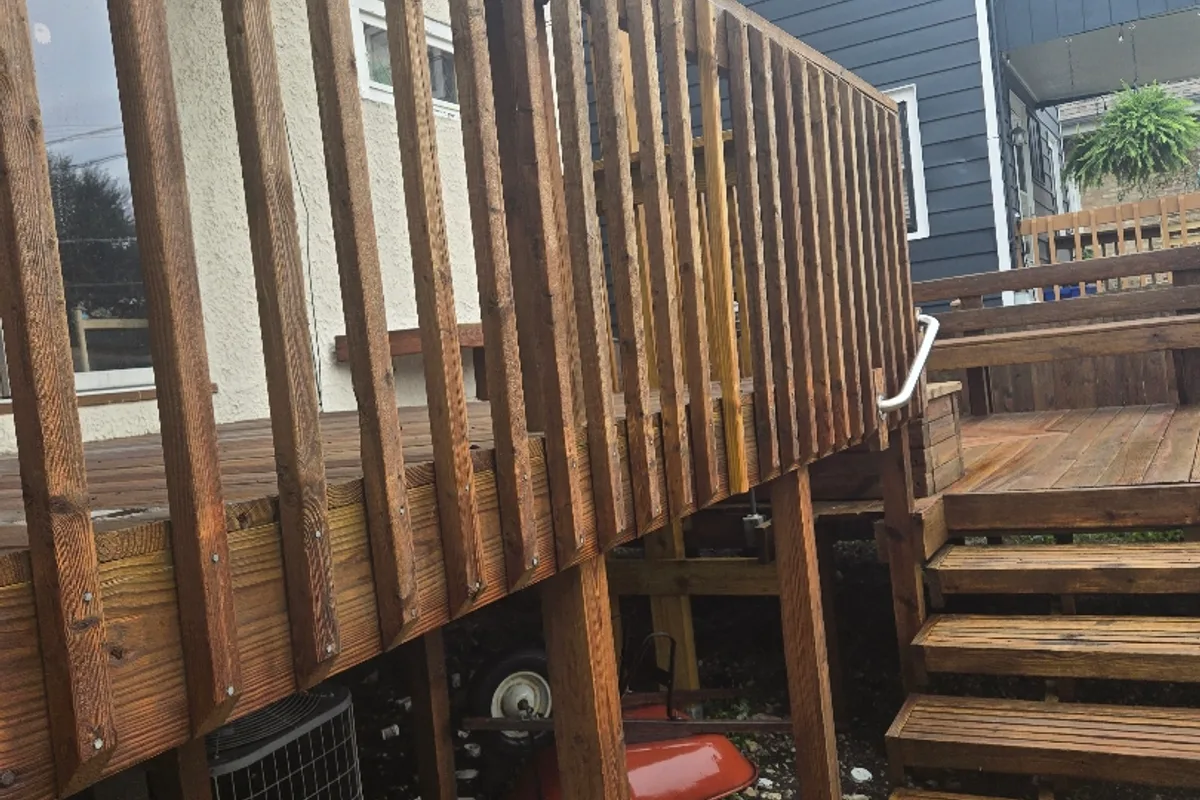
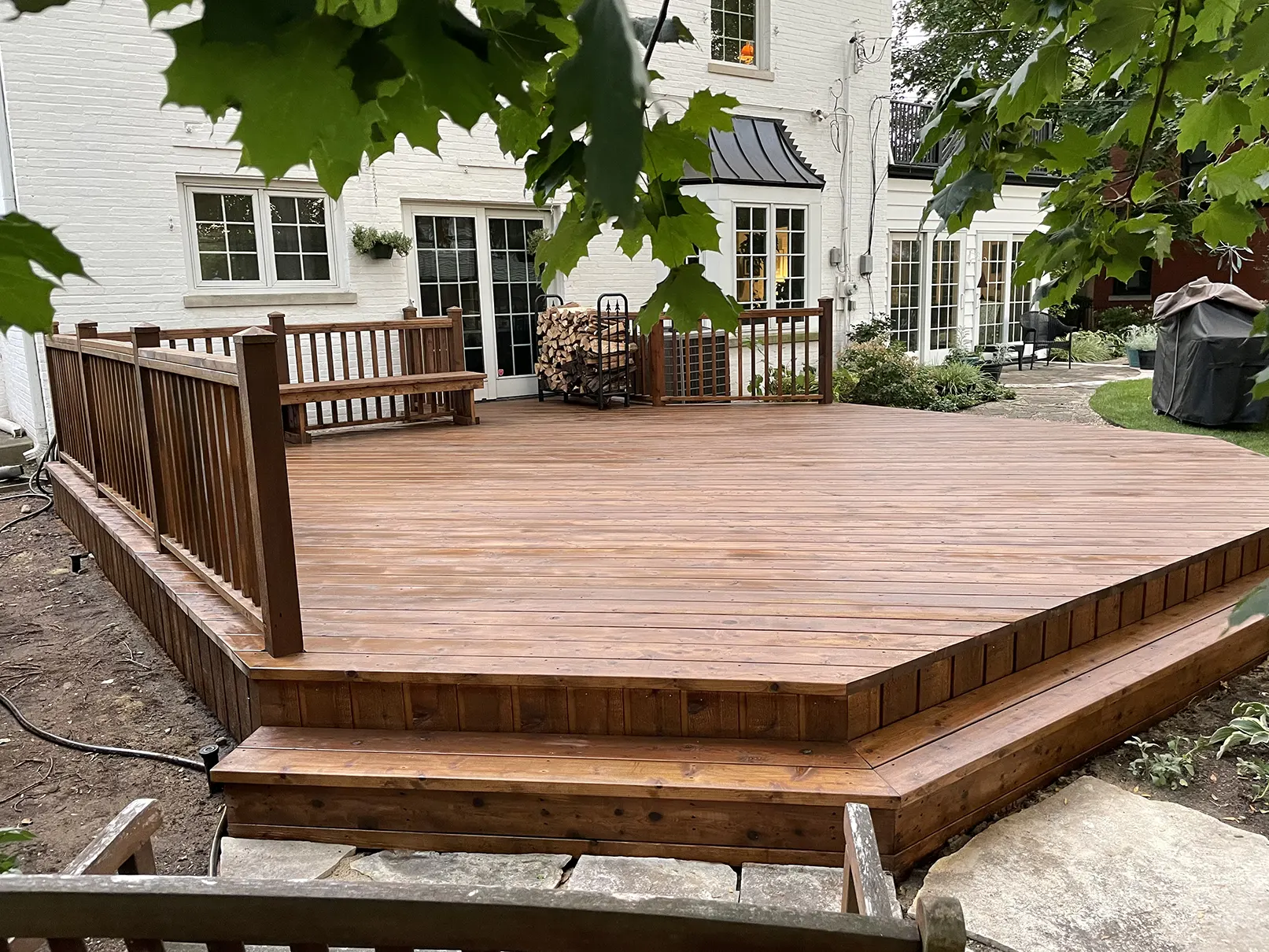
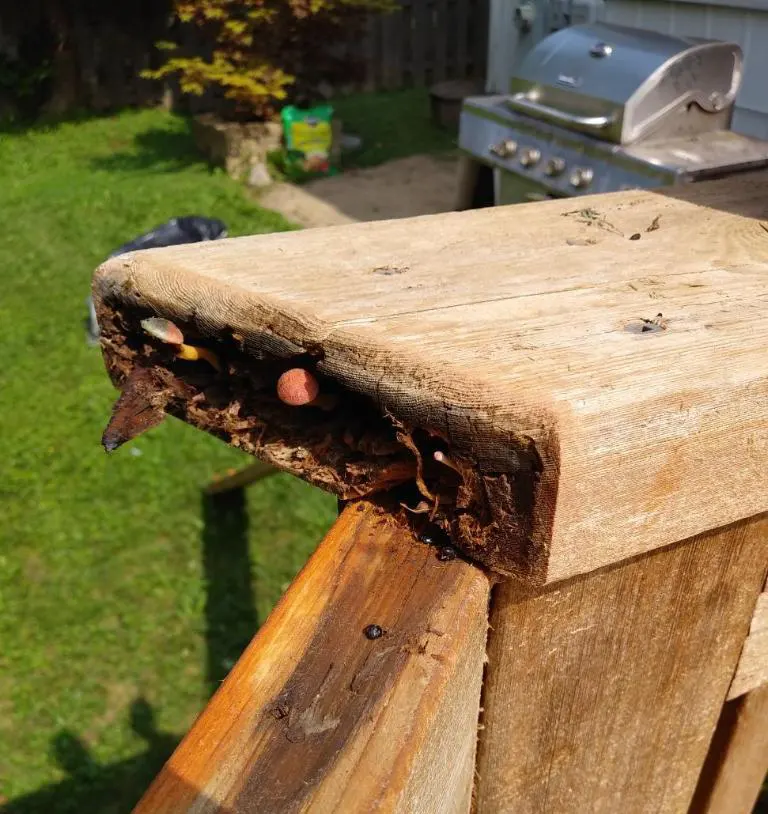
Chicago regulates porches and decks more tightly than almost any city in the country, and for a reason everyone here remembers: in June 2003 a crowded Lincoln Park porch collapsed and thirteen people died. The rules that followed set a 100-pound-per-square-foot design load, put every porch and deck under the Department of Buildings, and made structural repairs a permit-and-inspection job. This guide explains the numbers an inspector checks, when you do and do not need a permit, who is allowed to do the work, and what to do if a violation notice arrives.
Key Takeaways
- Every element of a Chicago porch or deck must be designed to carry a live load of 100 pounds per square foot. Guards must be 42 inches high with openings a 4-inch sphere cannot pass through.
- No permit is needed for cleaning, staining or painting, or for replacing deck boards, stair treads and railing pickets in kind, unless the city has already issued a violation.
- A permit is always required to repair or replace structural parts: columns, beams, foundations, stair stringers and joists. The application needs plans from an Illinois-licensed architect or structural engineer.
- Inspectors work from a published check sheet covering joists, beams, columns, stairs, guards, ledgers, connections and footings.
- A violation notice tells you whether plans and a permit are required and where the case will be heard. Bring the permit and before-and-after photos as proof of compliance.
Why Chicago Is Different
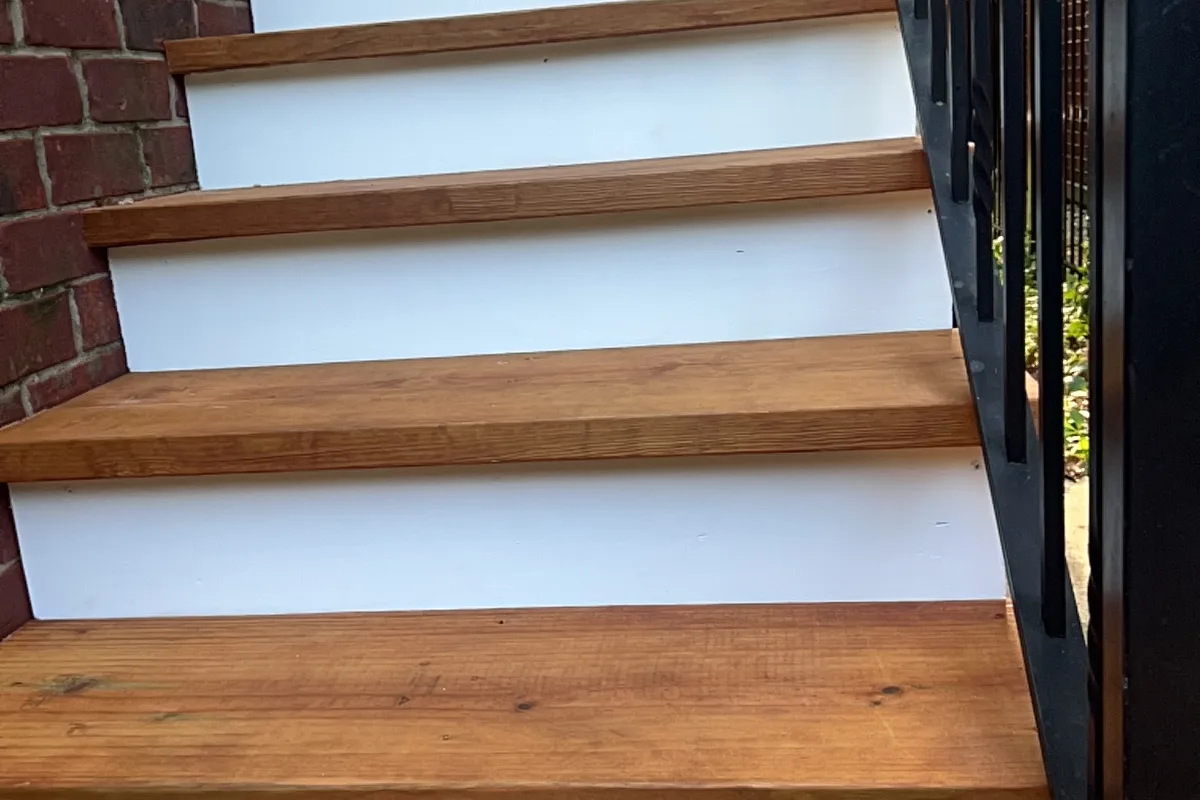
Most suburbs regulate decks through the International Residential Code with local amendments. Chicago has its own construction code, and after the 2003 collapse the city clarified that porches and decks must be designed for a 100-pound-per-square-foot live load, published a porch inspection check sheet, and issued detailed design guidelines for wood porches. The practical effect is that an inspector in Chicago has a specific list to measure your porch against, and a structural repair without a permit is a violation rather than an oversight.
If you live in a suburb, the numbers below do not apply directly. Check with your village building department, because guard heights, footing depths and permit thresholds vary from town to town.
The Numbers an Inspector Checks
These come from the Department of Buildings porch and deck check sheet and the city's porch design guidelines.
| Item | Requirement | What inspectors look for |
|---|---|---|
| Live load | 100 pounds per square foot on every element | Undersized joists, beams and columns; spans beyond the tables |
| Guards | Required where the deck is 2 feet or more above grade; 42 inches high; openings that stop a 4-inch sphere | Loose or low railings, wide baluster spacing, balusters nailed rather than fastened |
| Stairs | Treads at least 10-1/2 inches deep; consistent rise and run; no more than 12 feet of rise without a landing | Overcut stringers, rot at the bottom, treads that vary, missing handrail |
| Ledger | Tight to the building face, at least the size of the joists, bolted per the connection tables | Undersized ledgers, too few or misplaced bolts, rot, gaps at the wall |
| Footings | Bottom of footing at least 42 inches below grade, sized to the load | Posts on soil or shallow pads, frost heave, columns out of plumb |
| Connections | Bolts sized and spaced per the tables; spliced columns lapped and bolted | Rusted or missing hardware, toe-nailed beams, undersized bolts |
Two details surprise homeowners. The 42-inch guard is taller than the 36 inches most suburban codes accept, so a suburban-style railing on a Chicago porch is a deficiency. And the check sheet allows some existing conditions to remain, for example 9-1/4-inch treads on an otherwise sound porch, so an inspection does not automatically mean a rebuild.
When You Need a Permit, and When You Do Not
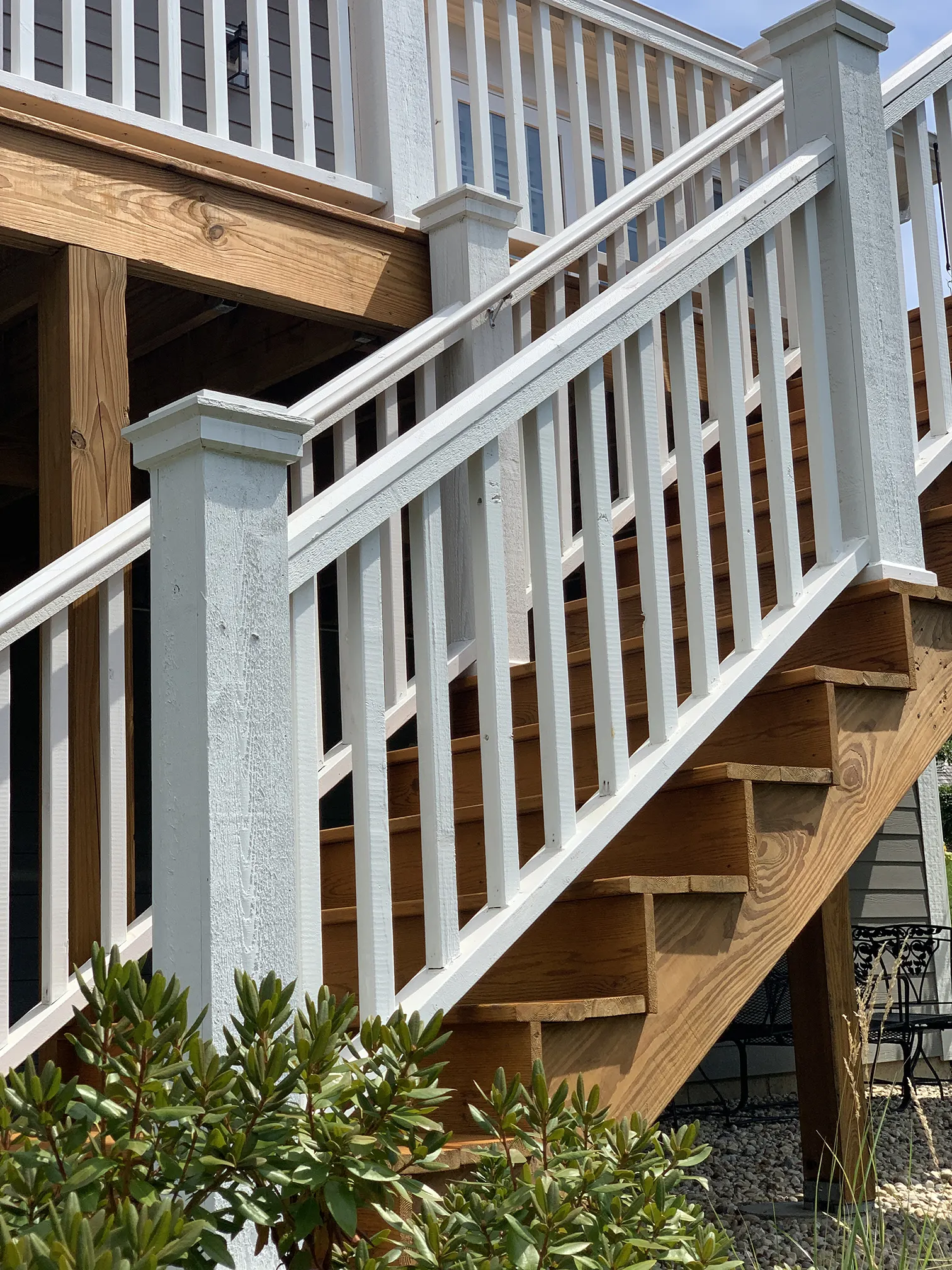
The Department of Buildings publishes this in plain terms, and it is worth quoting closely.
- No permit: routine maintenance such as power washing, painting and staining.
- No permit, if there is no violation on the property: repairing or replacing non-structural elements in kind, such as deck boards, stair treads and railing pickets.
- No permit: repairing or replacing a residential porch that is less than 6 feet off the ground and has no more than 50 square feet of landing area.
- Express permit: if you have received a violation and need to repair non-structural elements to correct it, the city offers an Express Permit Program.
- Full permit, always: repairing or replacing structural elements such as columns, beams, foundations, stringers or floor joists. The application must include plans prepared by an Illinois-licensed architect or structural engineer.
In practice that means everything Deck Doc does on the surface, from cleaning and staining to board and picket replacement, needs no permit. Sistering a joist, replacing a stringer, resetting a post on a new footing or rebuilding a porch does. Our post on deck dry rot explains how to tell which one you are looking at.
Who Is Allowed to Do the Work
If the building is your primary residence, is no more than three stories and has no more than six dwelling units, the city lets you act as your own general contractor. You then carry the responsibility for worker safety, scheduling inspections and building to the Chicago Construction Codes. For any other building, a Chicago-licensed general contractor is required.
Architects and structural engineers must be licensed by the Illinois Department of Financial and Professional Regulation, and the city recommends confirming a license on the IDFPR website before signing. The city will not recommend contractors or engineers, and suggests three bids with references for similar work in Chicago. For a porch repair, the contractor often brings in the architect or engineer who prepares the permit drawings; that is how we handle permitted rebuilds and structural repairs.
The Inspection
Once a permit is issued and the work is done, you request a porch permit inspection through the city's online appointment system. The inspector walks the check sheet: joists, beams, columns, stairs, hand and guard rails, ledger boards, connections and footings, and the 100-pound load requirement behind all of them. Work that matches the stamped drawings passes. Work that deviates from them, even to something sturdier, can be sent back, which is why changes during a job go through the architect or engineer first.
What a Violation Notice Means
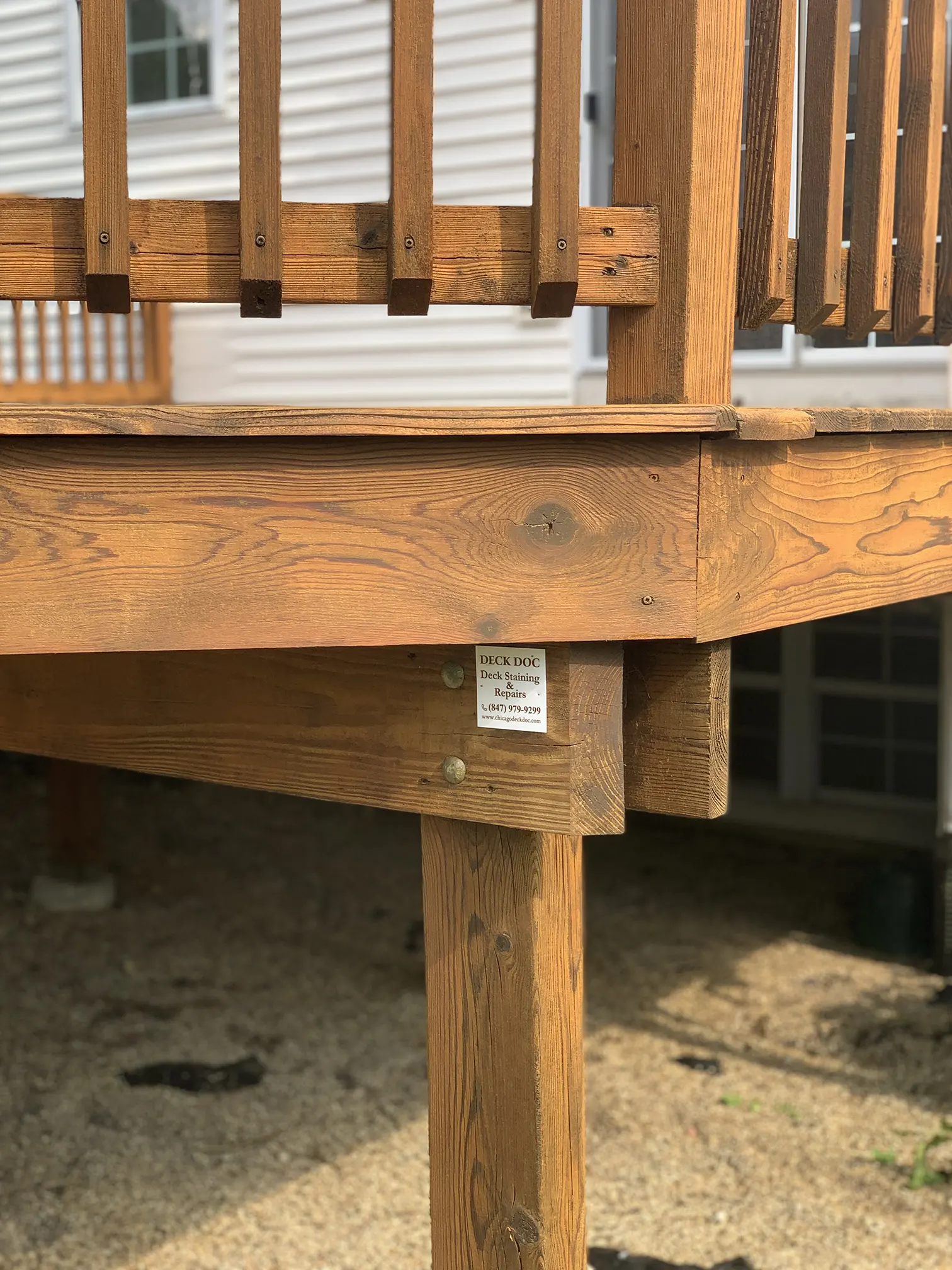
A violation usually starts with a 3-1-1 call, a neighbor's complaint or a routine inspection of a multi-unit building. The notice itself is the important document. It states whether plans and a permit are required to correct the problem, and which of two paths the case takes.
- Administrative Hearings. The notice gives a hearing date. Bring proof of compliance: the permit, and before-and-after photographs of the porch.
- Circuit Court. A court inspector is assigned to the case, and the same proof applies.
Two things help. Read the notice carefully for the deadline and the exact items cited, because a porch with one deficient item does not need a full rebuild. And start the permit process early, since drawings, review and scheduling take longer than the repair itself.
What This Means for a Typical Chicago Homeowner
- Cleaning, staining and sealing your porch or deck every few years is maintenance. No permit, no inspection, and it is the single best way to keep the structure out of the violation cycle, because water is what rots stringers and ledgers.
- Replacing worn boards, treads and pickets is a repair you can have done without a permit, as long as no violation is open.
- Anything soft or moving in the structure is a permit job. Get it assessed before someone writes it up. Our structural deck repair page explains how we handle drawings and inspections on those jobs.
- If you own or manage a multi-unit building, your porches are inspected on a schedule, and a written maintenance record with photos is your best defense at a hearing.
Frequently Asked Questions
Do I need a permit to stain or seal my deck in Chicago?
No. The Department of Buildings lists power washing and painting as routine maintenance, and staining and sealing fall in the same category.
Do I need a permit to replace deck boards or railing pickets?
Not if there is no open violation on the property and you are replacing them in kind. If a violation has been issued, the Express Permit Program applies.
Do I need a permit to replace a rotted joist or stair stringer?
Yes. Joists, stringers, beams, columns and foundations are structural, and the permit application needs plans from an Illinois-licensed architect or structural engineer.
How high does a Chicago deck railing have to be?
Guards are required where the deck is 2 feet or more above grade and must be 42 inches high, with openings that a 4-inch sphere cannot pass through.
What is the porch load requirement in Chicago?
Every element of a porch or deck must be designed for a live load of 100 pounds per square foot. That is the standard the city adopted after the 2003 collapse and the basis of the inspection check sheet.
Sources
- City of Chicago, Department of Buildings: Porch and Deck Safety
- Department of Buildings: Porch and Deck Supplemental Check Sheet
- Department of Buildings: Porch Design and Construction Guidelines
Not sure whether the soft spot on your porch is a board or a stringer? Request a free on-site estimate. We will tell you what it is, whether it needs a permit, and what the fix involves.