Every homeowner with a wood deck should know the difference between a board that is weathered and a board that is rotting, because the two look alike from the back door and only one of them can drop a deck. This guide explains what dry rot actually is, where it starts on a Chicago deck, the two-minute screwdriver test that finds it, how to check the framing you cannot see from above, and what the repair involves.
Key Takeaways
- "Dry rot" is a fungus that needs wet wood. It shows up wherever water sits: board ends, stair stringers, post bases and the ledger where the deck meets the house.
- The screwdriver test settles it. Healthy wood resists the tip; rotted wood lets it sink in with little effort.
- Rot in a deck board is a board replacement. Rot in a joist, beam, post, stringer or ledger is a structural repair, and it is the one problem not to guess about.
- In Chicago, structural porch and deck repairs generally need a permit and inspection. Replacing a few boards in kind usually does not.
- Prevention is water management: a finish that beads, clear gaps, drainage at the posts and flashing at the house.
What Dry Rot Actually Is
The name is misleading. Dry rot is wood decay caused by fungi, and fungi need moisture to grow. The "dry" describes the result: wood that has been digested until it is brittle, crumbly and cracked into small blocks, often lighter than it should be. By the time it looks dry, it has been wet for a long time.
The fungus feeds on the cellulose that gives wood its strength, which is why rotted wood fails without warning. A joist can look intact from below and have lost most of its strength inside. On a deck the process is helped along by everything Chicago does to wood: months under snow, freeze-thaw cycles that open checks for water to enter, rock salt that keeps the surface wet, and shaded yards that never fully dry.
Where It Starts on a Chicago Deck
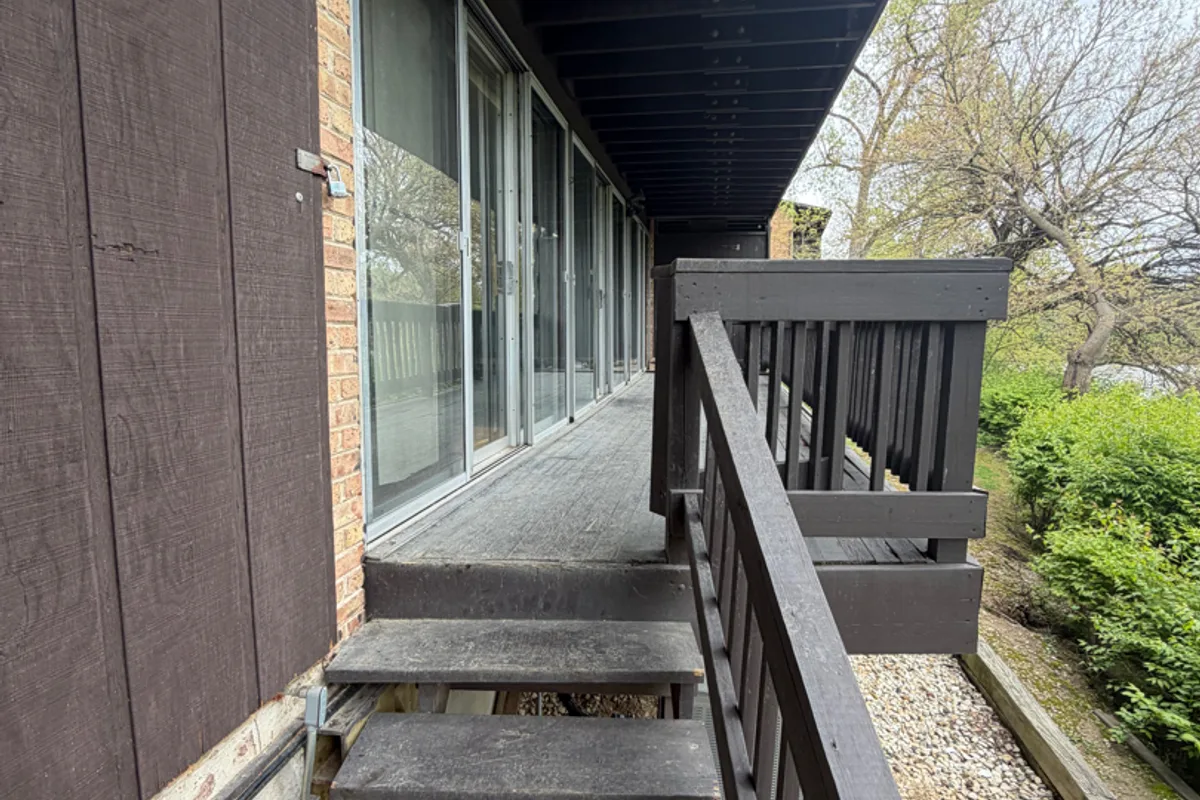
Rot follows water, so it starts in the same places on almost every deck we inspect:
- The ledger board. The board bolted to the house carries the deck. If the flashing above it is missing or failed, water runs behind it and rots the ledger, the rim joist of the house, or both. Ledger failure is the leading cause of deck collapses.
- Post bases. Posts set in soil, or sitting in a puddle on top of a footing, wick water from below. The rot is at grade, where a quick glance never lands.
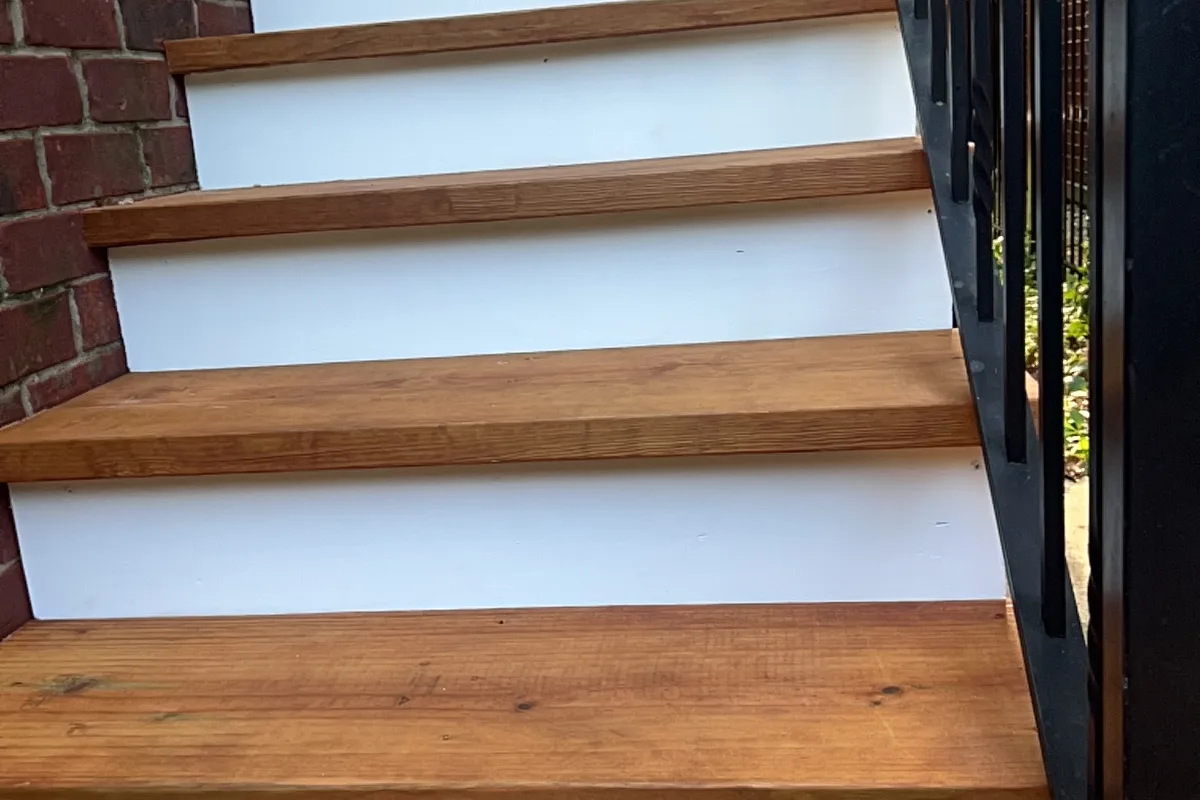
- Stair stringers and bottom treads. End grain at the bottom of every stringer sits on wet concrete or soil.
- Board ends and butt joints. End grain drinks water. Boards that meet over a joist trap it.
- The tops of joists. Water runs between the boards and sits on the top edge of the joist underneath, which is exactly where the boards are fastened.
- Under planters, mats and furniture feet. Anything that holds moisture against the surface for a season.
- The shaded side. The north side of the house and the section under the tree dry last and rot first.
The Screwdriver Test
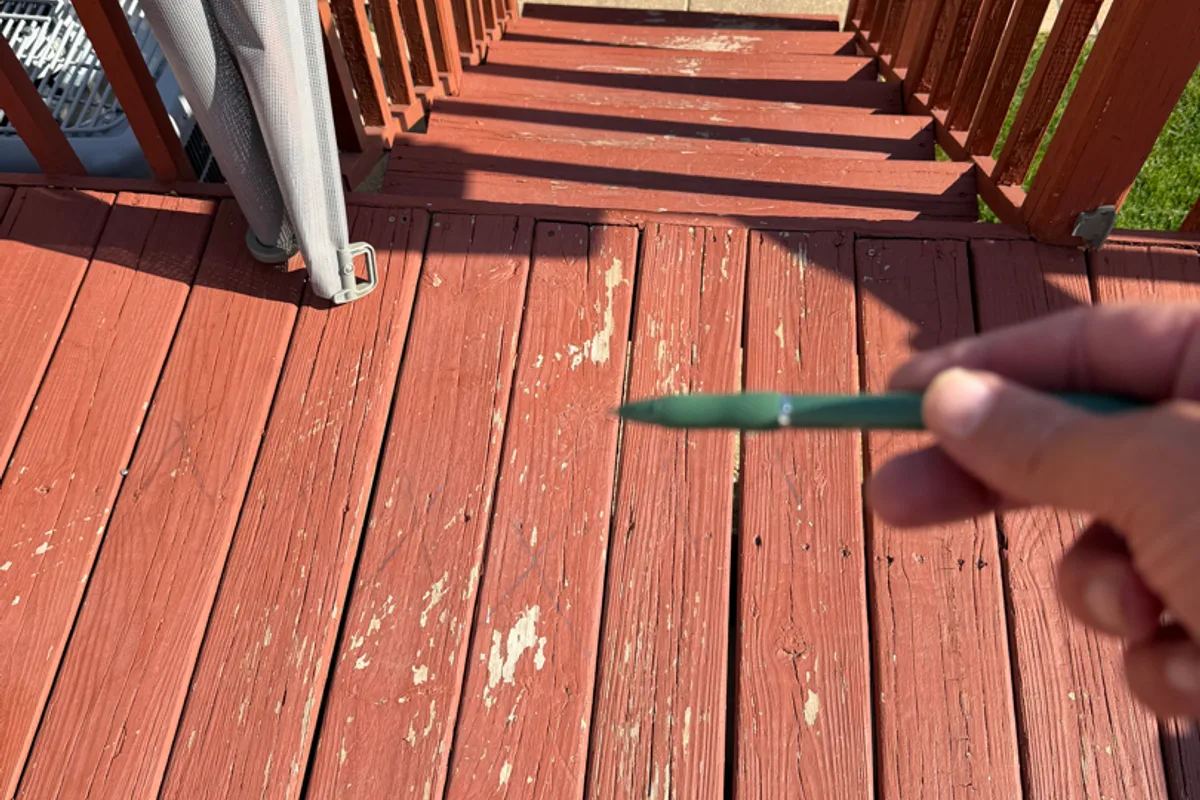
Cracks, splinters and gray color do not tell you whether wood is rotted. Softness does. Take a flat screwdriver or an awl and push the tip into the suspect wood, especially at board ends, the bottom of posts and stringers, and the top edge of joists.
- Healthy wood resists. The tip goes in a small fraction of an inch and stops, and the surface springs back.
- Rotted wood gives. The tip sinks a quarter inch or more with little effort, the fibers crumble or feel spongy, and the hole stays.
Two more checks help. Tap the wood with the handle: sound wood gives a sharp knock, rotted wood a dull thud. And look for the signs that go with rot: cubical cracking across the grain, a musty smell, white or brown fungal growth, and paint or a solid stain that bubbles. Bubbling finish means water is trapped underneath, which is the condition rot needs.
Probe wood that feels soft underfoot, boards that stay dark after the rest of the deck has dried, and anything under a planter. If the screwdriver sinks into a deck board, replace the board and check the joist under it. If it sinks into anything structural, stop and get the deck inspected.
Checking the Joists, Posts and Ledger
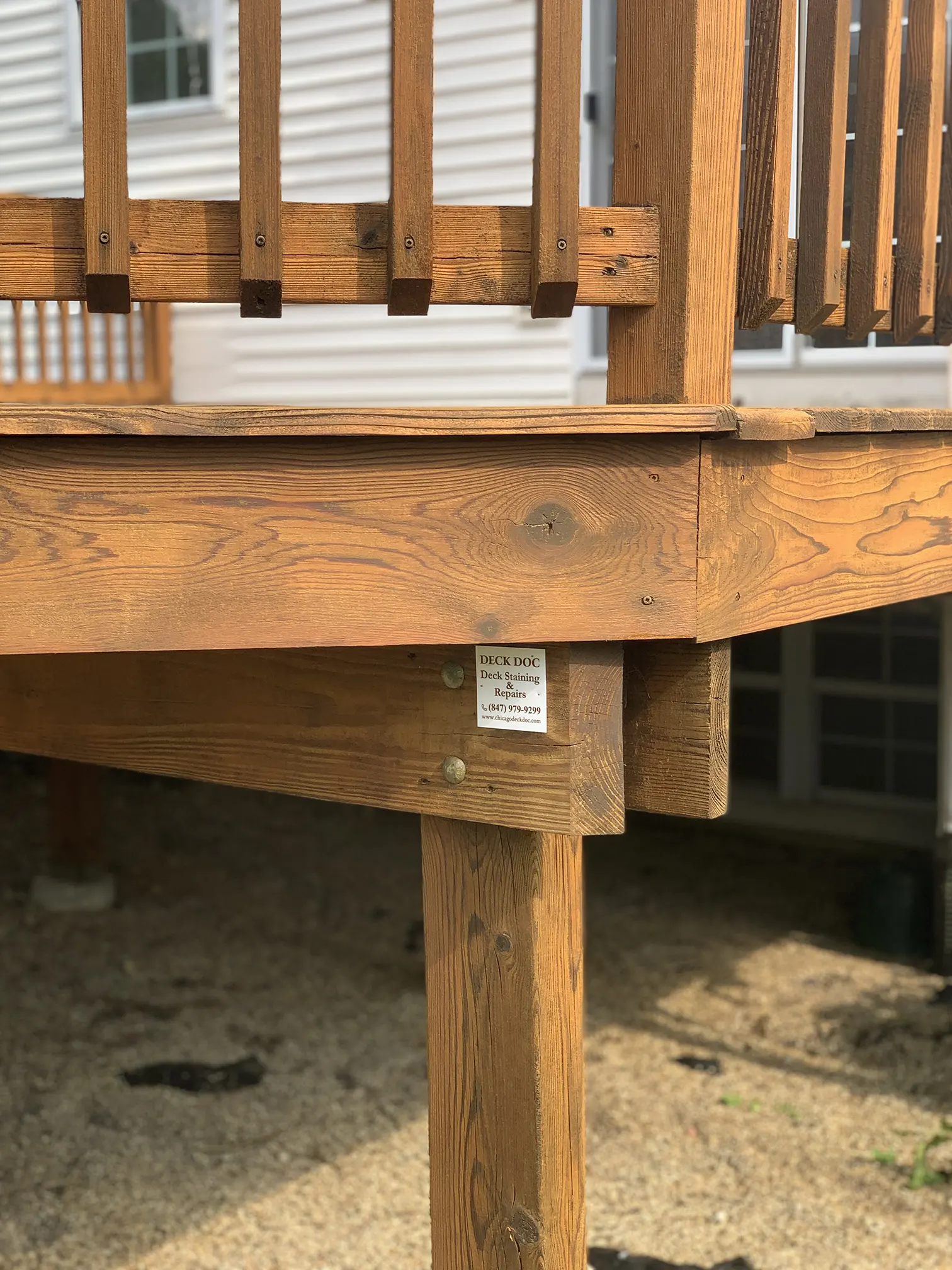
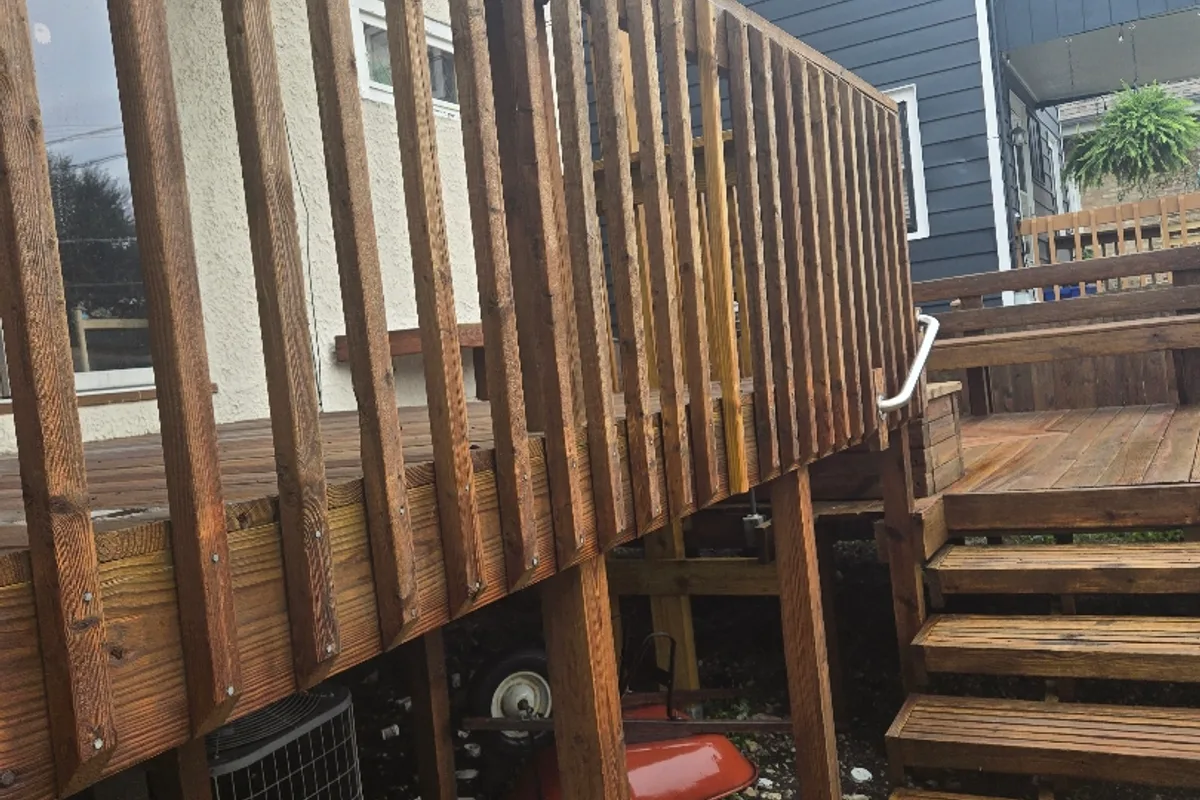
Most of a deck's structure is out of sight, so once a year get underneath it with a flashlight.
- Ledger and flashing. Look for a gap between the ledger and the house, rust streaks, dark or swollen wood, and whether metal flashing tucks under the siding above the ledger. Probe the ledger at the bottom edge and around every bolt. Water stains on the foundation below the ledger are a warning.
- Joists. Probe the top edge where the deck boards sit and the ends where the joist meets the ledger or the beam. Check the joist hangers for rust and for nails that have backed out.
- Beams and posts. Probe the beam where it sits on the posts and the posts at grade. A post base should be metal hardware on a concrete pier, not wood in soil.
- Stringers. Probe the bottom of each stringer and the cut notches where the treads sit.
Write down what you find. A single soft board is a repair. Soft wood in two or more structural members, or any softness at the ledger, is a deck that should not be used until it is looked at.
Chicago Porch and Deck Safety
Chicago takes deck and porch structure seriously for a reason: the 2003 porch collapse in Lincoln Park killed thirteen people and was traced to an overloaded, undersized structure. Since then the city has enforced construction and repair rules on porches and decks through the Department of Buildings.
What that means for a homeowner: rebuilding a deck or porch, or replacing structural members such as the ledger, beams, posts or stair stringers, generally requires a permit and an inspection in the city, and most suburbs have their own version of the same rules. Replacing a few deck boards in kind usually does not. When we rebuild or repair structure on a permitted job, we handle the drawings and the inspections as part of the work. If you are unsure whether a repair needs a permit, the safe move is to ask your municipality before the work starts rather than after.
How to Prevent Dry Rot
Rot needs wood that stays wet, so prevention is water management.
- Keep a finish on it. A penetrating stain or sealer that beads water keeps the boards from soaking. When water stops beading, recoat. Our deck sealing service and deck staining service both start with this.
- Keep the gaps clear. Debris packed between boards holds water on top of the joists all season. Clean the gaps every fall.
- Get things off the surface. Planters on feet, mats up after rain, furniture moved occasionally.
- Flash the ledger. If there is no flashing, or it is rusted through, that is the first repair on the list.
- Drain the posts. Grade soil and gravel away from post bases so they do not stand in water.
- Seal cut ends. Every cut end of a new board gets a coat of preservative or finish before it goes in.
- Inspect twice a year. Spring after the thaw and fall before the freeze, with the screwdriver in hand. Our Chicago deck inspection checklist is the full list.
What the Repair Involves
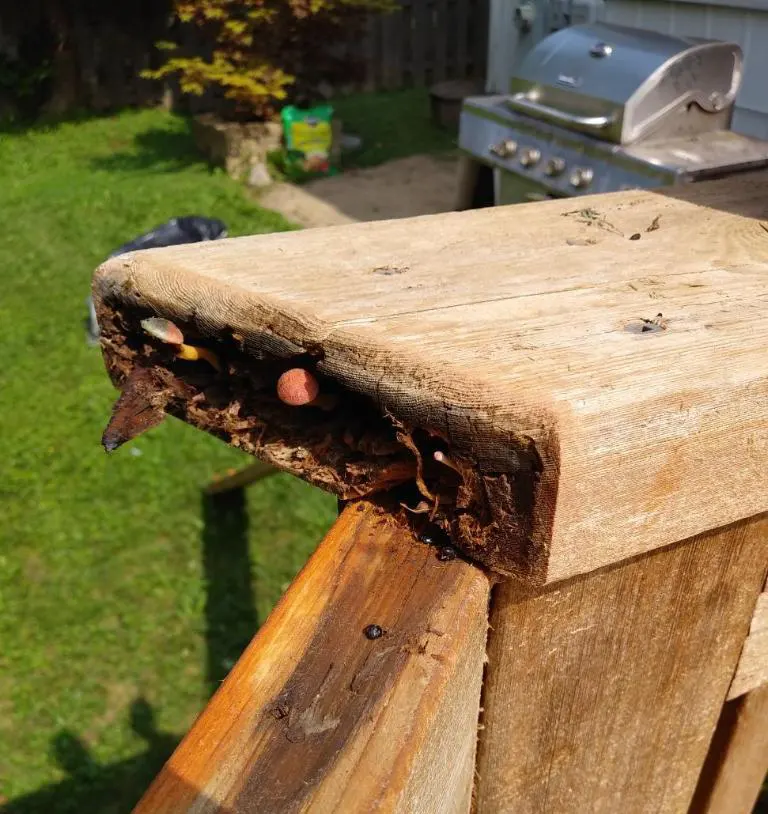
Finding rot does not mean the deck is finished. The repair depends on where it is.
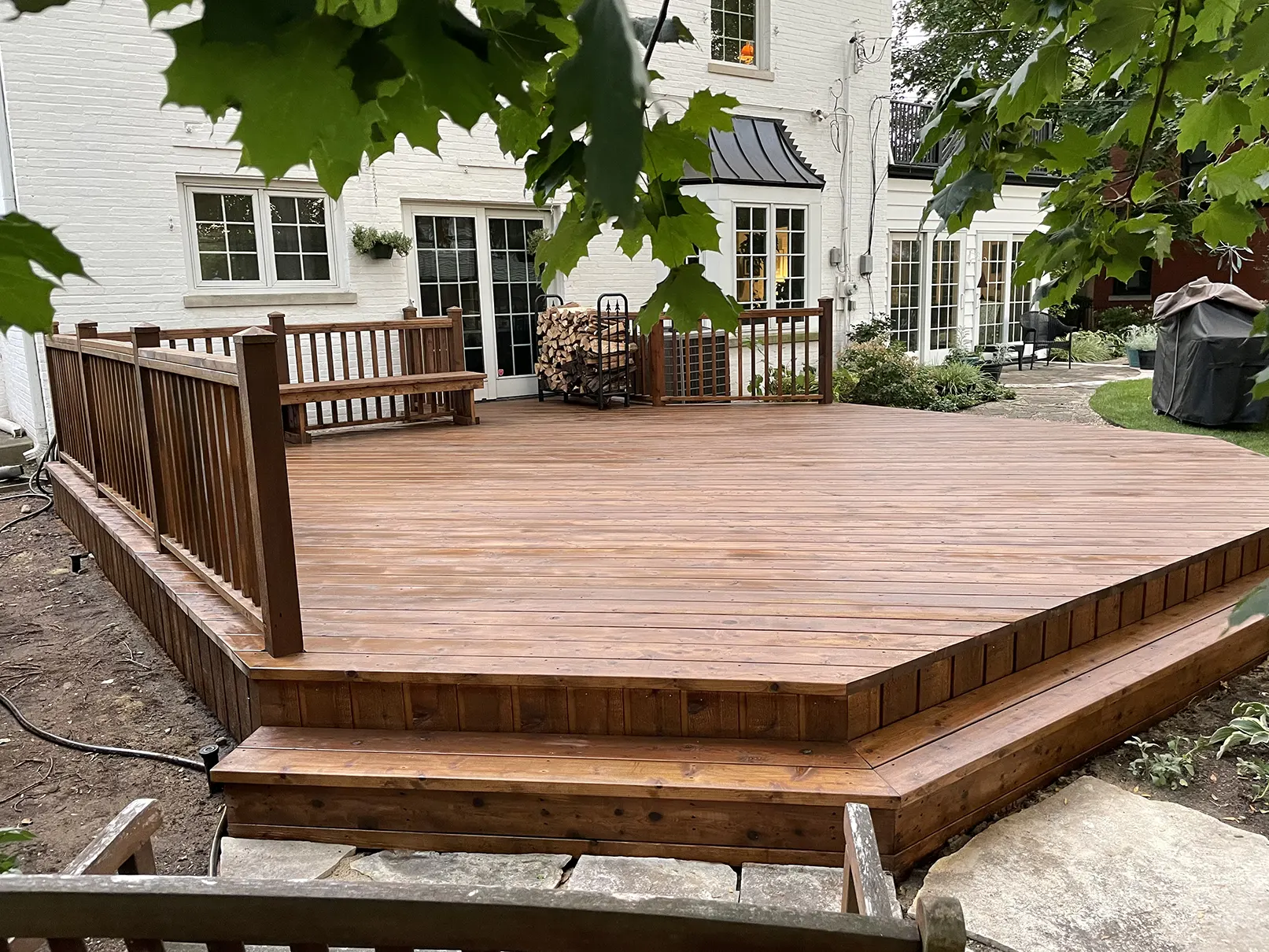
- Deck boards and treads: replaced, and the whole surface cleaned and finished so the new wood matches.
- Joists: a rotted joist is sistered with a new one alongside it or replaced, with new hangers.
- Beams and posts: replaced, with the deck temporarily supported and the post set on proper hardware and a footing.
- Ledger: replaced with new flashing and through-bolts. This is the repair that most often reveals damage to the house framing behind it.
- Stringers: replaced. Stairs are rebuilt as a unit more often than patched.
When rot has reached most of the framing, a rebuild is cheaper and safer than chasing it member by member, and our post on repairing vs. replacing an old deck walks through that call. Our structural deck repairs are covered by a two-year warranty.
If the screwdriver went in somewhere it should not have, request a free on-site estimate. We will probe the rest of the structure, tell you what is sound, and give you a plain list of what has to be replaced.